Beauty sleep
Sleep facts - Beauty sleep
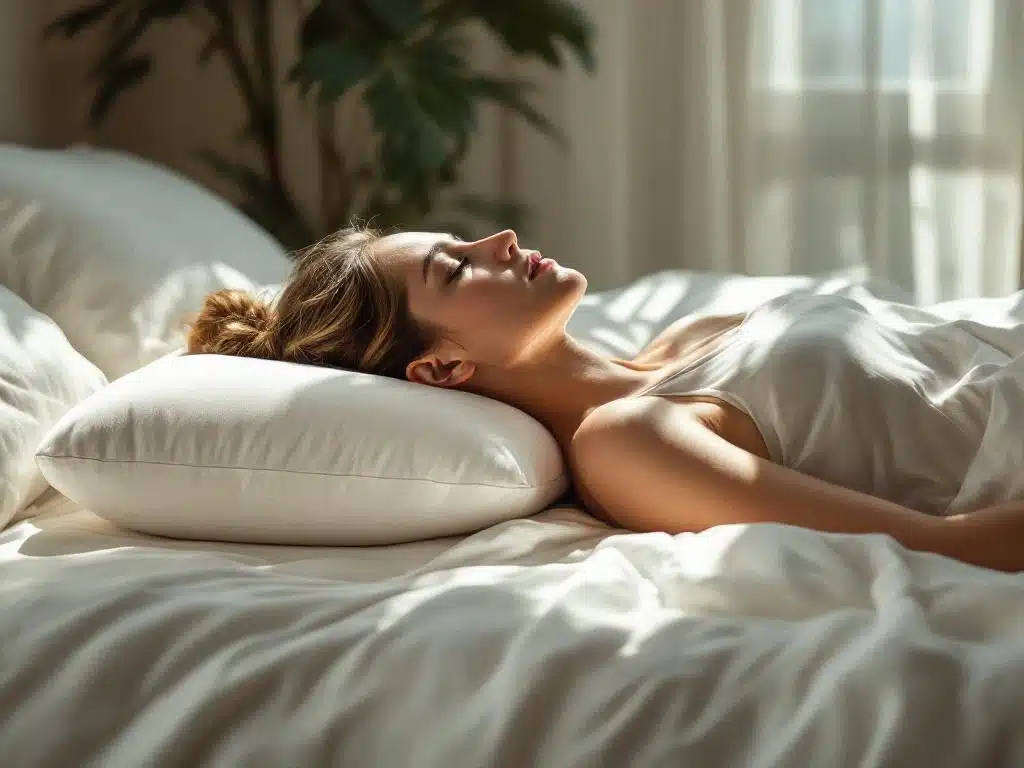
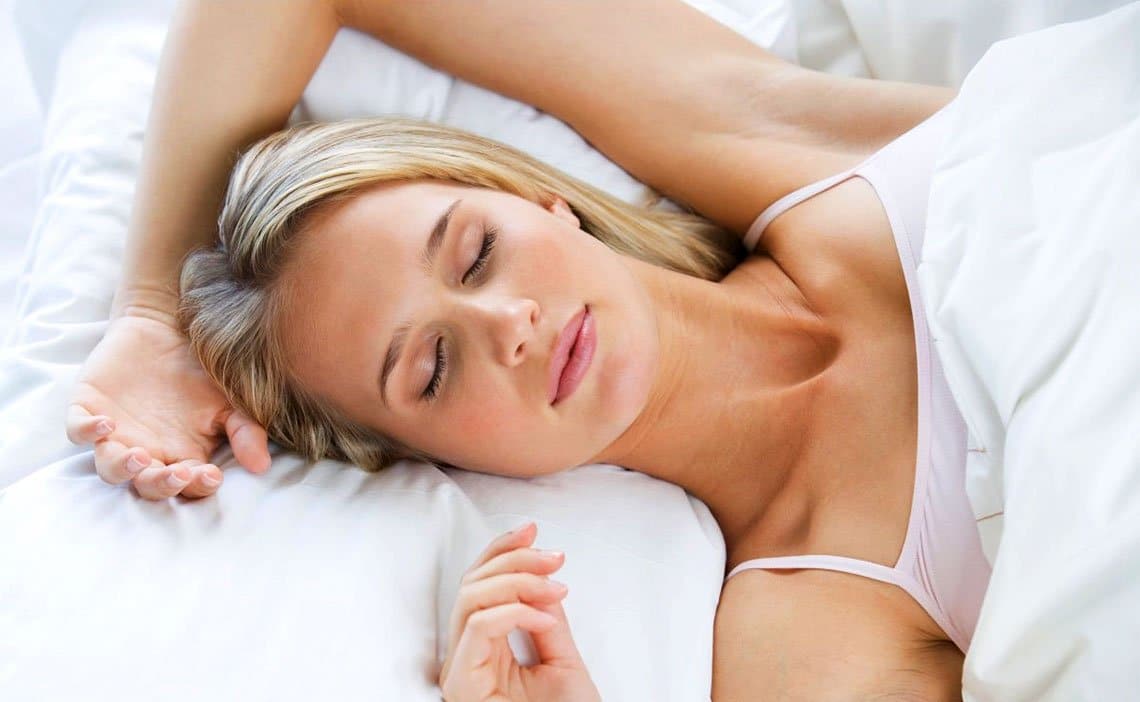
A beauty nap, does it really work? Yes, according to several studies. Forget expensive creams. Sleep will make you more beautiful! This is what sleep does for your appearance.
- 8 hours of sleep makes you look your most attractive
A Swedish study shows that people who sleep too little are rated as less attractive and healthy. - Sleep reduces dark circles under your eyes
Dark circles are an obvious side effect of sleep deprivation. Too little sleep causes collagen under the eyes to break down, making dark blood vessels more visible. - Sleep makes wrinkles less visible
Everyone over 35 is familiar with sleep wrinkles, the creases in the face that struggle to disappear. Getting enough sleep (at least 7 hours) makes wrinkles less visible. - Sleep repairs your skin
Not only do your organs repair during sleep. Your skin does as well. This is due to the production of growth hormones. Lack of sleep can seriously undermine the condition of the skin. This is because it leads to an increase in the stress hormone cortisol, resulting in reduced collagen production. - Sleep makes your hair more beautiful
Your hair also benefits from restorative work during sleep. Too little sleep can lead to dull hair and even hair loss. Did you know that your hair also grows faster when you sleep? - Sleep keeps you slim
The U.S. National Academy of Science showed that people who sleep only 5 hours for 5 days in a row gain an average of one pound more in that period.
Immune System
Short nights are also bad for your immune system. British scientists discovered that after only 6 short nights, more than 700 genes start working harder or less hard. Among other things, this affects your immune system. People who get only 6 hours of sleep per night for long periods of time are more likely to suffer from all kinds of disorders - from obesity and concentration disorders to cardiovascular diseases.
Healthy foods can also help produce collagen ( the protein that fights dark circles), for example, blueberries and dark greens, such as kale.
Sleeping well
Sleeping well and deeply is mostly a matter of hormones: the cuddle hormone oxytocin, the happiness hormone serotonin and the sleep hormone melatonin. Which has a positive impact on your beauty sleep.
Through our food
What we eat and drink affects these hormones. But so does the time of day when we do so. Milk is one of the largest sources of melatonin. Therefore, a glass of warm milk before bedtime is not so crazy.
Magnesium is perhaps the best substance for sleeping better. Magnesium can be found in nuts, seeds (sesame seeds), peanuts, grains, beans and bananas.
Better not
There are also many foods that have a bad influence on healthy sleep. The best known is coffee. But tea and fatty and heavy foods also do not promote sleep.
And a nightcap? Better not. Alcohol leads to restless sleep.
Regularity
A good sleep schedule also helps. Go to bed around the same time every night, that way you keep regularity in your biological clock.
Healthy sleeping environment
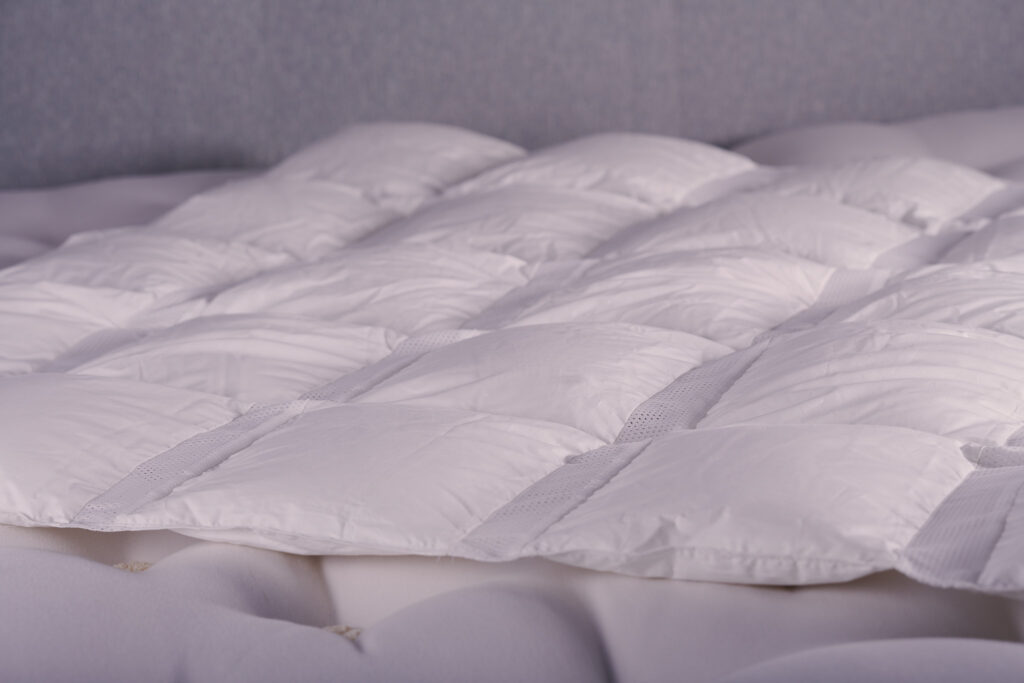
One bed is not the other. Good tailor-made advice is therefore crucial. And did you know that, after personal problems, an unhealthy sleeping environment is the biggest disruptor of sleep? If you value healthy sleep, our FreshBed is the solution. FreshBed is also the answer to sleep problems resulting from disorders such as asthma, allergy or rheumatism.
(source: dagennachtrust.nl)