How thick should a mattress and box spring be?
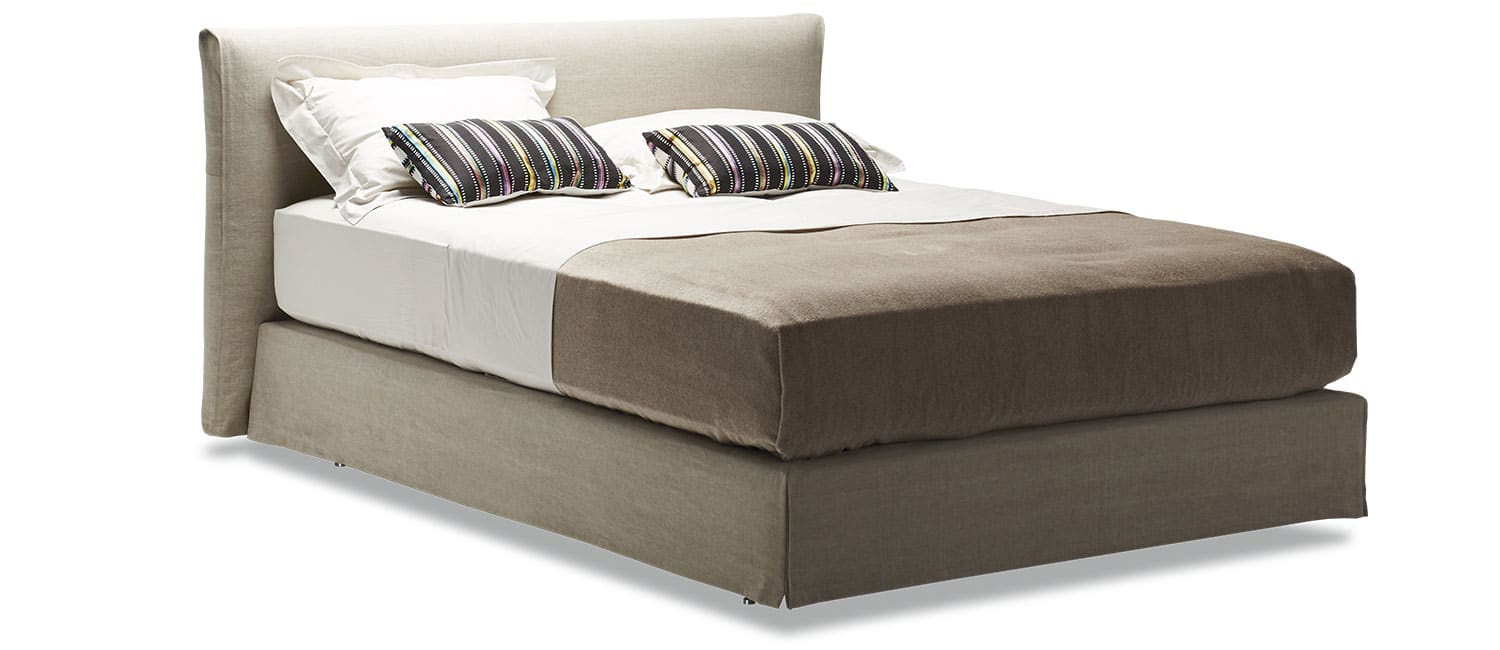
A mattress should be 18 to 30 centimeters thick, while a box spring is usually between 15 and 25 centimeters high. The total bed height of 50 to 65 centimeters ensures optimal comfort and makes it easy to get into bed. Your choice depends on your body weight, sleeping position, and personal preferences for support.
What is the ideal thickness for a mattress?
Most mattresses are between 18 and 30 centimeters thick. This thickness provides enough space for all the layers a good mattress needs: the spring layer, comfort layer, and top layer.
Your body weight plays an important role in your choice. Heavier individuals usually benefit from a thicker mattress, between 25 and 30 centimeters. This provides more support and prevents you from sinking in too deeply. Lighter individuals will be perfectly comfortable with a mattress between 18 and 22 centimeters.
Your sleeping position also determines the ideal thickness. Side sleepers need more contouring around their hips and shoulders, so a thicker mattress with good pressure relief is comfortable. Back and stomach sleepers, on the other hand, benefit from a slightly firmer, thinner mattress that supports the natural curve of the spine.
A thicker mattress doesn’t automatically mean better comfort. Ultimately, the quality of the materials and the construction determine how well you sleep. Natural materials such as Talalay latex and pocket springs made of hardened steel retain their shape and resilience for years.
How high should a box spring be?
A standard box spring is between 15 and 25 centimeters high. This height provides adequate support for the mattress and helps ensure proper ventilation under the bed.
Low box springs, ranging from 15 to 18 centimeters in height, offer a modern, sleek look. They are ideal for bedrooms with low ceilings or if you prefer a lower bed height. The downside is that ventilation is not as good as with taller models.
High box springs, ranging from 20 to 25 centimeters, provide better airflow and make it easier to get into bed. This is especially convenient for older people or those with mobility issues. However, the overall height of the bed does increase, which may not look as good in every bedroom.
The height of the box spring helps determine how easy it is to get into your bed. A total bed height of 50 to 65 centimeters is most comfortable for most people. This allows you to sit comfortably on the edge of the bed before lying down.
What is the difference between a thick mattress and a thin mattress?
A thin mattress, measuring 18 to 22 centimeters, is usually firmer and provides immediate support. This type of mattress is suitable for people who prefer a firm sleeping surface and do not experience pressure points. Thin mattresses are also often less expensive to purchase.
Thick mattresses, ranging from 25 to 30 centimeters, have more room for comfort layers and zoned support. They better adapt to different parts of the body and provide greater pressure relief. The downside is that they are more expensive and can sometimes feel too soft.
In terms of durability, thick mattresses often last longer because they contain more material to absorb wear and tear. However, it is important that all layers are made of high-quality materials. A thin, top-quality mattress will last longer than a thick mattress of inferior quality.
Ventilation also differs between thick and thin mattresses. Thinner mattresses usually provide better ventilation because there is less material for moisture to accumulate in. With thick mattresses, good airflow through the mattress is even more important.
How do you choose the right bed height for your situation?
For most adults, the ideal bed height is between 50 and 65 centimeters. As a rule of thumb, when you sit on the edge of the bed, your feet should be flat on the floor with your knees at an angle of about 90 degrees.
Your age and mobility play a major role. Older people or those with joint problems often benefit from a higher bed, between 60 and 65 centimeters. This makes getting in and out of bed easier and reduces the strain on the knees and hips.
The layout of your bedroom also influences your choice. In a small bedroom, a lower bed—between 50 and 55 centimeters high—can make the room appear more spacious. In a spacious bedroom with high ceilings, a taller bed is a better fit.
Also keep in mind practical considerations, such as making the bed. A bed that’s too high makes it difficult to fluff the comforter properly and tuck the corners of the sheet tightly. A bed that’s too low can cause back pain while making the bed.
What factors determine the perfect mattress thickness?
Your body weight is the most important factor. People weighing up to 70 kilograms can sleep comfortably on a mattress that is 18 to 22 centimeters thick. For those weighing between 70 and 90 kilograms, a mattress that is 22 to 26 centimeters thick is ideal. For those weighing over 90 kilograms, a mattress that is 26 to 30 centimeters thick is recommended.
Health issues such as back pain, rheumatism, or joint pain require specific adjustments. For back problems, a mattress with proper zoning is often important, which requires greater thickness. For rheumatism, a slightly thicker mattress with good pressure relief can help reduce pain.
Your sleeping position determines the type of support you need. Side sleepers need more room for the mattress to contour around their shoulders and hips, so they should choose a thicker mattress. Back and stomach sleepers often sleep better on a slightly thinner, firmer mattress.
Your partner also plays a role if there’s a big difference between your weights or sleeping preferences. A thicker mattress with good pocket springs can better accommodate different weights and movements without you disturbing each other.
Choosing the right mattress and box spring thickness is a personalized process that requires individual advice. At Bröring, we’re happy to take the time to work with you to put together the perfect bed that suits your unique situation and sleep needs.

Top service!
About four years ago, I bought a beautiful bed at Broring, Gelderlandplein. Stephan helped me.
I lived nearby.
Now that I've moved in with my partner and live in Bloemendaal, I was having problems with the bed's controls.
My boyfriend contacted Broring about this many times by phone and email. When that didn't work, Stephan came by to fix it!
We thought that was great service because I no longer live in Buitenveldert, so I'm not next door!
I was also helped in the store by a somewhat older person, blond/gray hair, glasses, who was always very friendly!
The quality of the items, including sheets, towels, etc. in the store is also very good.
I Beker