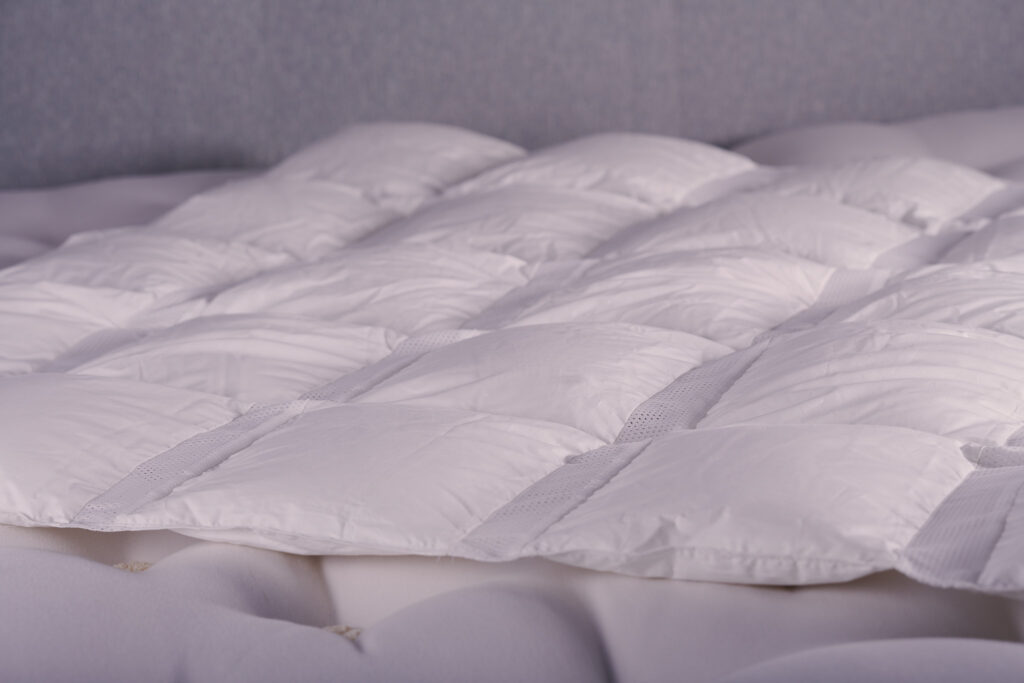
What is the most luxurious bedding?
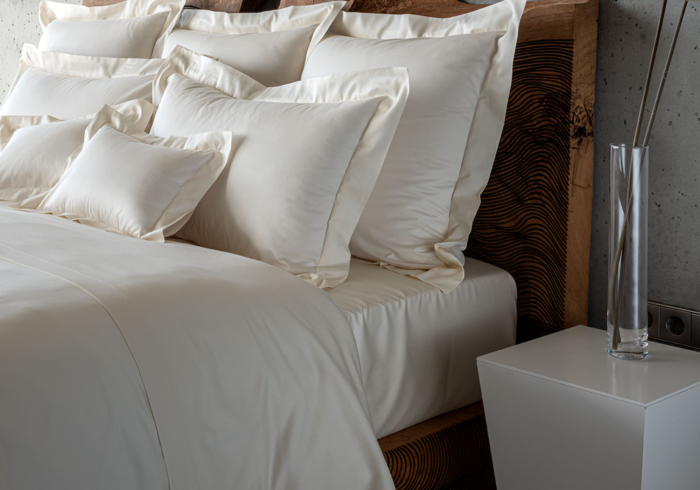
The most luxurious bedding is characterized by natural materials such as Egyptian cotton, silk, and linen, combined with artisanal production processes and a high thread count. True luxury is found in details such as hand-drawn designs, Swiss precision in manufacturing, and the use of exclusive fibers. This bedding offers not only superior comfort but also durability and an investment in your sleep quality that will last for years. The cream of the crop is genuine Giza cotton, which Celso de Lemos uses.
What makes bedding truly luxurious?
Luxury bedding stands out from ordinary bedding thanks to a combination of premium materials, sophisticated manufacturing processes, and attention to every detail. The difference lies not only in the price, but above all in the quality that you can actually feel and experience.
The key features that set luxury bedding apart are the materials used and the craftsmanship. While standard bedding often uses basic cotton or synthetic fibers, luxury bedding is made from the finest natural materials. Think of long-staple Egyptian cotton, pure silk, or high-quality linen.
Thread count also plays an important role. Luxury bedding typically has a thread count between 200 and 800 threads per square inch. However, a higher thread count does not automatically mean better quality—it’s all about the balance between density and breathability.
Manufacturing processes make the difference evident. Luxury brands focus on artisanal techniques, with each design hand-sketched and crafted with Swiss precision. This requires specialized skills and years of experience, which are reflected in the final quality.
What materials are used for the most expensive bedding?
The most expensive bedding is made from the highest-quality natural fibers, with Egyptian cotton, silk, linen, cashmere, and bamboo taking center stage. Each material has unique properties that contribute to its luxurious feel.
Egyptian cotton is known for its long fibers, which produce a soft, strong, and durable fabric. The highest quality comes from the Nile Delta, where the climate is ideal for growing this special variety of cotton. This cotton is often made into satin cotton, which has a silky sheen and smooth texture.
Silk is perhaps the most luxurious material for bedding. It has natural temperature-regulating properties, is hypoallergenic, and feels wonderfully soft against your skin. Mulberry silk is considered the highest quality.
Linen offers a different kind of luxury with its natural, rustic look. It becomes softer with every use and is highly breathable, making it ideal for warm nights. Belgian, French, Italian, and Portuguese linen are known for being the highest quality.
| Material | Features | Advantages |
|---|---|---|
| Egyptian cotton | Long fibers, strong structure | Durable, soft, breathable |
| Silk | Natural shine, temperature regulation | Hypoallergenic, luxurious feel |
| Linen | Natural texture, highly breathable | Becomes softer with use |
| Cashmere | Ultra-soft, lightweight | Thermal insulation, comfort |
How can you tell if luxury sheets and duvet covers are high-quality?
You can recognize quality by looking at various practical features that you can check yourself before making a purchase. Pay attention to the thread count, weaving techniques, finishing details, and any certifications.
The thread count gives an indication of the fabric's density. For luxury bedding, this is usually between 200 and 600 threads per square inch. It's important to note that a higher thread count isn't always better—above 600, the fabric can actually become less breathable.
Weaving techniques determine the character of the fabric. Percale weave gives a crisp, hotel-like feel, while satin weave creates a smooth, silky texture. Jacquard weave creates woven-in patterns that add an extra touch of luxury.
Pay attention to finishing details such as:
- Double-stitched seams for extra strength
- High-quality zippers or button closures
- Even coloring without streaks
- Smooth, non-abrasive edges
Certifications such as OEKO-TEX Standard 100 indicate that the bedding has been tested for harmful substances. GOTS certification guarantees organic fibers and environmentally friendly production.
What are the benefits of investing in high-quality bedding?
Investing in high-quality bedding offers long-term benefits that go beyond mere comfort. You’re investing in better sleep quality, durability, and ultimately your overall well-being.
Durability is one of the biggest advantages. High-quality bedding lasts for years, sometimes even decades, without losing any of its quality. While inexpensive bedding may start to pill or fade after just a few months, luxury bedding retains its shape, color, and softness.
Your sleep quality improves significantly thanks to better temperature regulation and moisture wicking. Natural materials like cotton and linen breathe better than synthetic fabrics, so you sweat less and sleep more comfortably.
Another key benefit is that it’s gentle on the skin. Luxury bedding is often hypoallergenic and free of chemical treatments that can cause skin irritation. This is especially important if you have sensitive skin.
From a financial standpoint, it’s a smart investment. Although the purchase price is higher, the annual costs are often lower due to the longer lifespan. Plus, luxury brands tend to hold their value better.
What is the best way to care for luxury bedding?
Proper care significantly extends the life of your luxury bedding and keeps it in top condition. Each material requires a specific approach, but there are general guidelines that apply to all luxury bedding.
Always wash luxury bedding separately from other laundry to prevent damage. Use a mild detergent that does not contain bleach or optical brighteners. These chemicals can damage the natural fibers and cause colors to fade.
Temperature is crucial—wash most luxury fabrics at 30–40 degrees. Silk often requires even lower temperatures or hand washing. Always check the care label for specific instructions.
Specific rules apply to different materials:
- Egyptian cotton: Can usually be washed at 40 degrees; use fabric softener sparingly
- Silk: Hand wash or use the delicate cycle at 30 degrees; do not tumble dry
- Linen: Can be washed at higher temperatures (40–60 degrees); becomes softer with use
- Cashmere: Hand wash only using a special wool detergent
It is best to air-dry your linens, keeping them out of direct sunlight. If you use a dryer, set it to a low temperature and remove the linens while they are still slightly damp to prevent wrinkles.
Ironing can usually be done at a low to medium temperature, but silk requires extra care. Store your luxury bedding in a dry, well-ventilated area, preferably in cotton storage bags rather than plastic ones.
Luxury bedding is more than just a purchase—it’s an investment in your daily comfort and well-being. By choosing high-quality materials such as Egyptian cotton, silk, or linen, you’re investing in years of restful sleep. At Bröring, we understand that every detail matters, from the artisanal production processes to the careful selection of natural materials. With the right knowledge about identification, benefits, and care, you can enjoy the luxury that truly high-quality bedding offers, night after night.

Top service!
About four years ago, I bought a beautiful bed at Broring, Gelderlandplein. Stephan helped me.
I lived nearby.
Now that I've moved in with my partner and live in Bloemendaal, I was having problems with the bed's controls.
My boyfriend contacted Broring about this many times by phone and email. When that didn't work, Stephan came by to fix it!
We thought that was great service because I no longer live in Buitenveldert, so I'm not next door!
I was also helped in the store by a somewhat older person, blond/gray hair, glasses, who was always very friendly!
The quality of the items, including sheets, towels, etc. in the store is also very good.
I Beker