Which is better, box spring or regular bed?
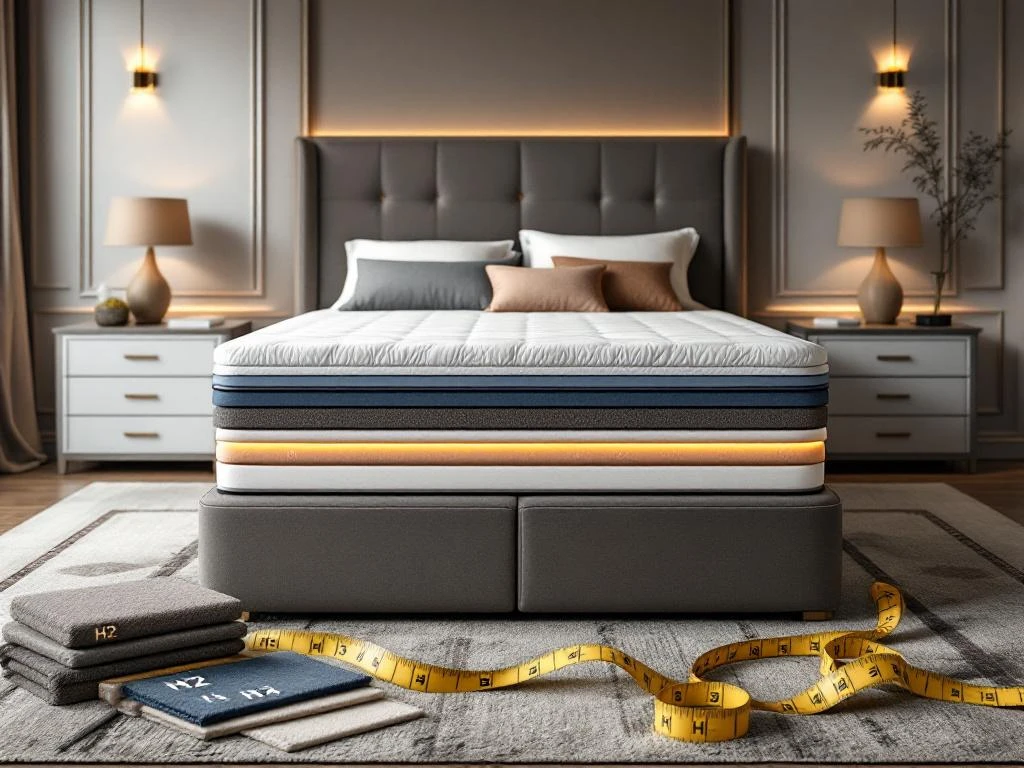
Whether you choose a box spring or a regular bed depends on your personal preferences, budget, and sleep needs. A box spring often offers more luxury and comfort thanks to its dual-spring system, but a traditional bed with a good mattress can provide just as much support at a lower price. The best choice varies from person to person and depends on your body type, sleeping position, and any back problems you may have.
What is the difference between a box spring and a regular bed?
A box spring consists of two parts: a base with springs and a mattress on top, whereas a regular bed has a slatted frame with a mattress on top. The dual-spring system of a box spring offers more luxury and comfort, but also comes with a higher price tag.
With a box spring, you work with two layers of springs that work together to provide optimal pressure relief. The underbox usually contains bonnell springs or pocket springs, while the mattress often has pocket springs for point support. This system gives a softer, more luxurious lying experience.
A traditional bed combines a slatted base with a mattress. The slatted base provides basic support and ventilation, while the mattress determines comfort. You can choose from different mattress types such as pocket spring, cold foam or latex, depending on your preferences.
The main difference is in the construction: a box spring has its support built into the bed system itself, whereas with a regular bed the support comes from the bed frame and slatted base.
Which bed provides the best comfort for your back?
Both types of beds are good options for back support, but the quality of the mattress ultimately determines the level of comfort. A good pocket-spring mattress provides targeted support that adapts to the contours of your body, regardless of whether it’s placed on a box spring or a slatted base.
Side sleepers often benefit from the soft, enveloping action of a box spring because it better relieves pressure points at hips and shoulders. The dual springs provide gradual support that feels comfortable.
Belly and back sleepers, on the other hand, often benefit more from the firmer support of a properly adjusted slatted base. This prevents your lower back from sinking in too deeply, which can cause back problems.
With back problems, it's important to test lie down and get professional advice. What works perfectly for one person may be uncomfortable for another. Your body weight, height and sleeping position all play a role in choosing the right bed.
How much does a box spring cost compared to a regular bed?
A box spring costs on average 30-50% more than a comparable regular bed due to its double spring system and more luxurious appearance. For a quality box spring you quickly pay between €1500-€4000, while a good traditional bed is often between €800-€2500.
However, the purchase price is not the whole story. A box spring often lasts longer because the load is distributed over two spring layers. This can justify the higher investment in the long run.
When it comes to maintenance, a regular bed often scores better. You can replace the mattress and slatted base separately, whereas a box spring often requires replacing the entire system. This makes repairs more expensive.
Also consider additional costs. A box spring often needs special fitted sheets because of the extra height. Moving also becomes more expensive because a box spring is heavier and bulkier than a traditional bed.
How long does a box spring last versus a traditional bed?
A quality box spring lasts an average of 12-15 years, while a good traditional bed lasts 10-12 years. The double spring system of a box spring ensures that the wear and tear is better distributed, which increases its lifespan.
Durability depends greatly on the quality of the materials. Cheap box springs with bonnell springs often last shorter than high-quality traditional beds with pocket spring mattresses and sturdy slatted bases.
Maintenance plays a big role in longevity. You can maintain a traditional bed better because you can turn and flip the mattress and check the slatted base for damage. With a box spring, this is more difficult.
Watch for signs of wear such as sagging, creaking noises or reduced comfort. With a box spring, you often have to replace the entire system, whereas with a traditional bed, sometimes just a new mattress or slatted base will suffice.
Which bed choice best suits your bedroom?
Your bedroom and personal circumstances often determine which bed is the best fit. A box spring requires more space and height, while a traditional bed offers more flexibility in different bedroom layouts.
For small bedrooms, a traditional bed is often more practical. You can choose a lower model or even a bed with storage. A box spring takes up more visual space because of its imposing appearance.
Consider your stage of life. Young couples who still move frequently will benefit more from a traditional bed that is easier to move. For people who live in the same place for a long time, the investment in a box spring may be worth more.
Of course, your budget also plays a role. If you have a limited budget, you often get better value for money with a traditional bed. You can always upgrade to a more luxurious mattress later without replacing the entire bed system.
In the end, the best bed choice is very personal. At Bröring, we are happy to help you make the right choice based on your individual wishes, budget and sleeping needs. Stop by our showroom to test both options extensively and experience the difference for yourself.