Harrison Spinks vs. VI Spring: Which luxury British bed is right for you?
Similarities between these British bedding brands
When comparing these brands, it’s helpful to first outline their similarities so we have a general idea of where each one stands. Both VI Spring andHarrison Spinksare quintessentially British bedding brands, and they truly craft their beds in the British tradition.
A “bunk bed,” on the other hand, is a specific term for a simple, raised sleeping platform—often a wooden frame with planks—that was originally used in barracks or prisons. So it has little to do with that.
The construction: from pocket springs to mini-pockets
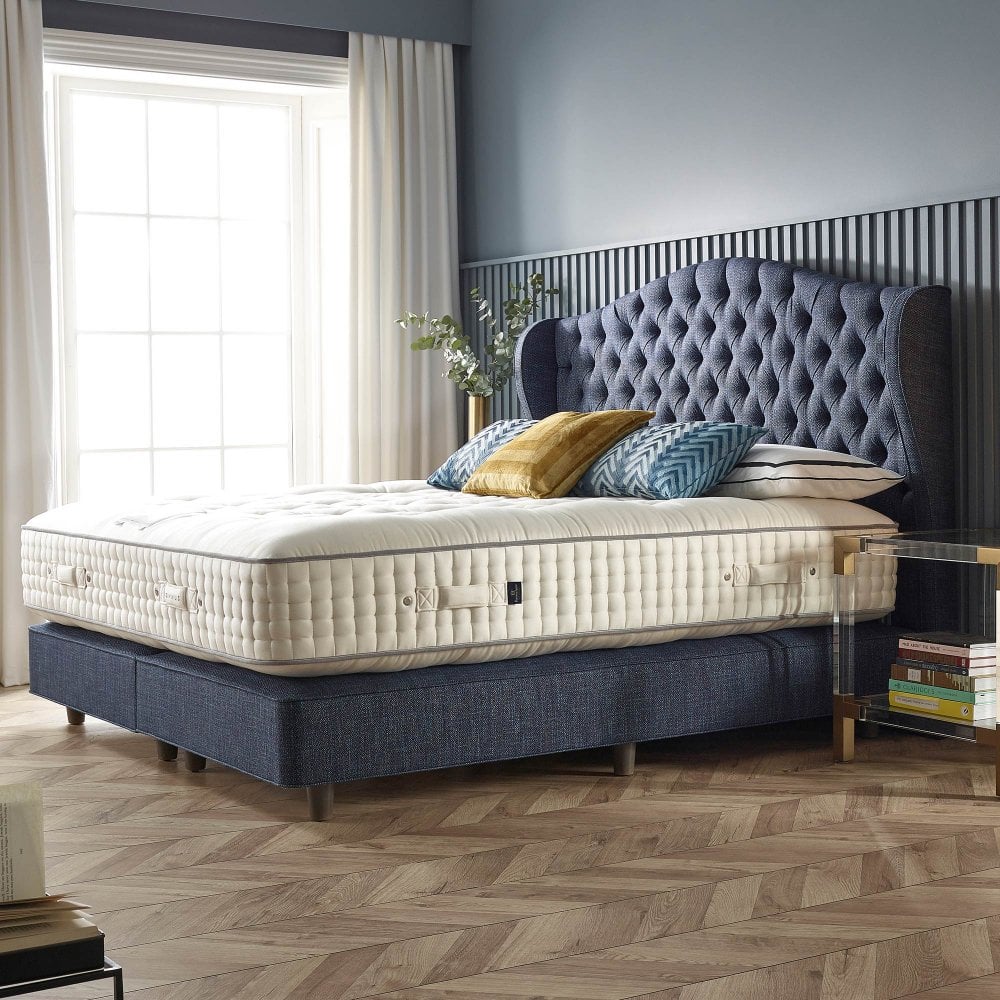
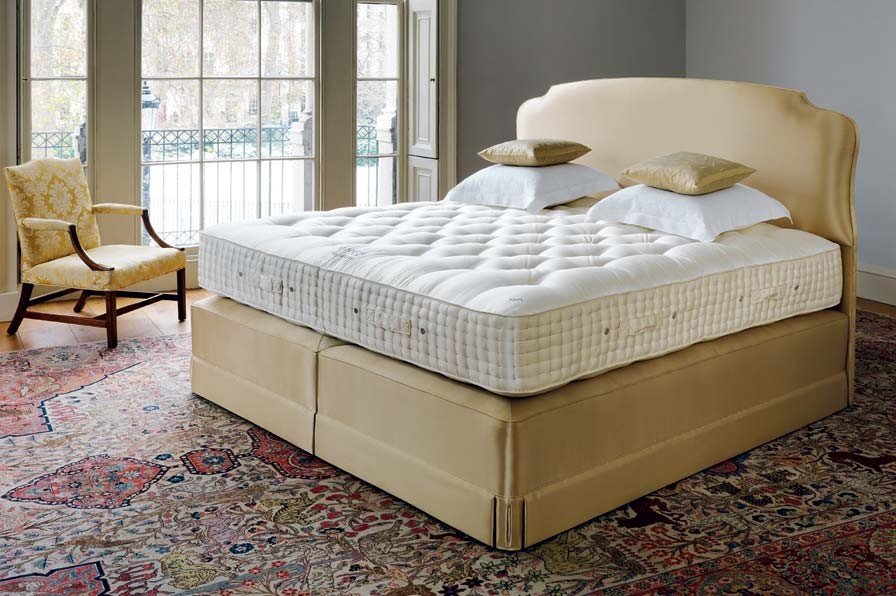
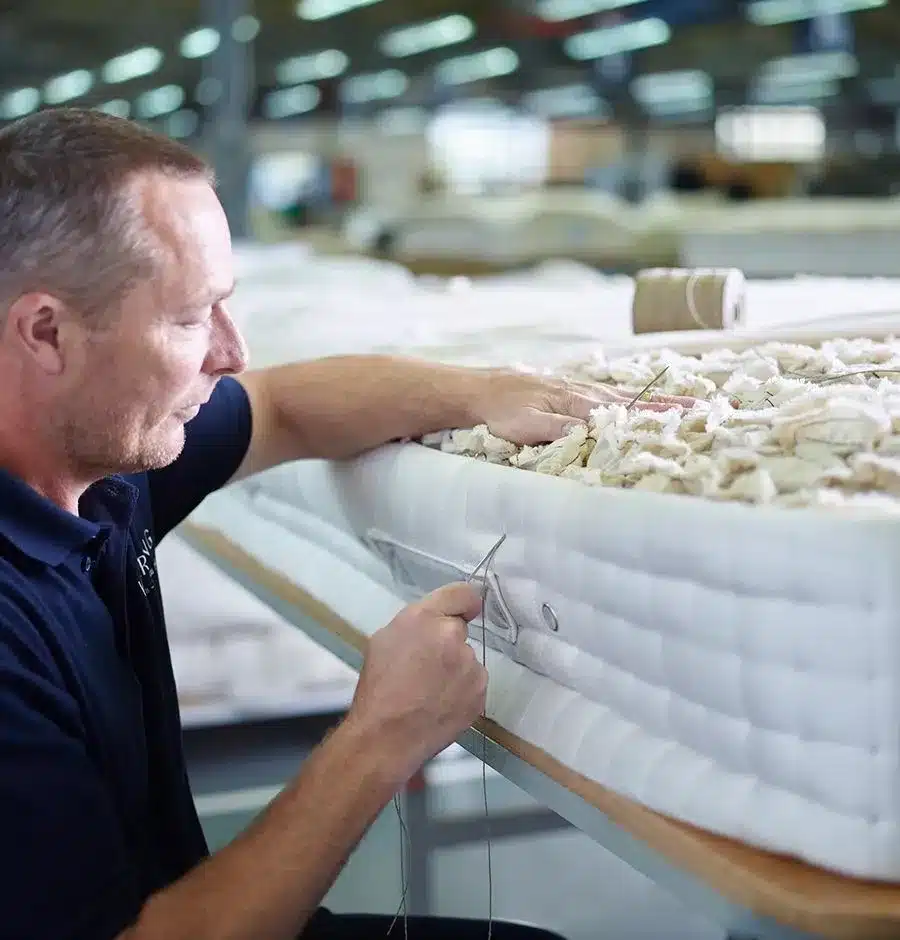
If you look at themattresses fromboth brands, you’ll notice that they both feature a similar core made of in-house-produced springs encased in calico bags, with a border stitched around them. So far, no real differences, but then Spinks suddenly does something different. Instead of immediately proceeding with wool, cotton, horsehair, and other fibrous materials, they first lay several layers of mini-pockets over the initial layer of springs.
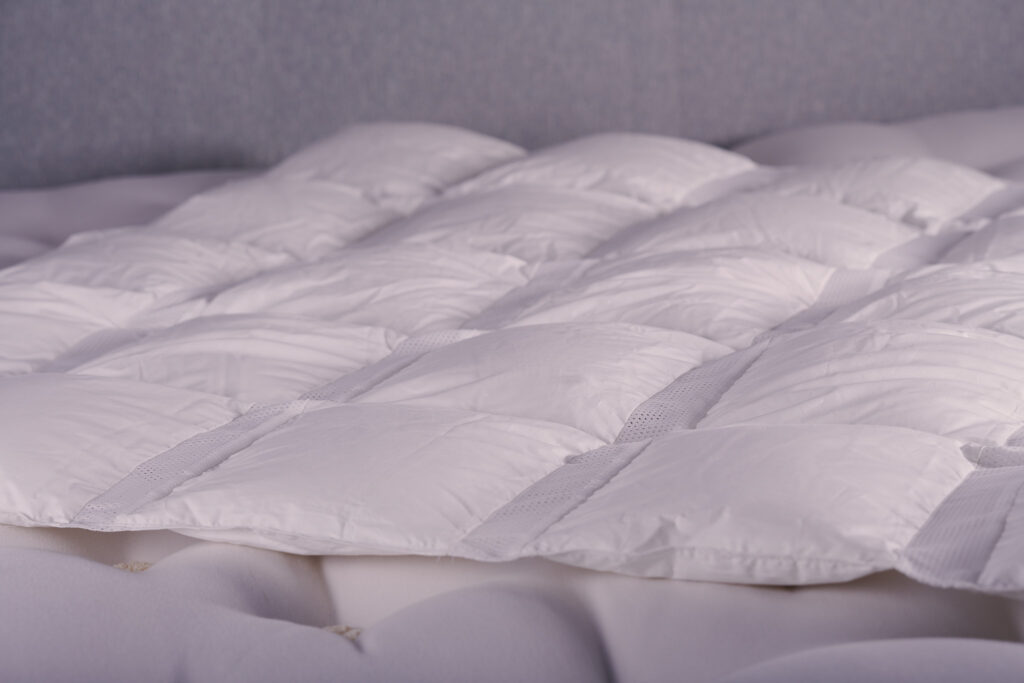
Although neither brand uses zones for the shoulders and hips in the primary springs, Harrison Spinks does incorporate them into the layers with mini-pockets, which still creates a subtle zoning effect. As mentioned, the plush material is then used to form the comfort layers. Thick layers of cotton, wool, silk, and the like are used. These materials are employed where many other brands use various types of foam. After the comfort materials are placed on the springs, the fabric is attached to the top.
Should you sleep on a single-sided or double-sided mattress?
VI Spring performs these processes on both sides of the spring assembly, making the mattresses reversible. Harrison Spinks has chosen to construct its mattresses as single-sided only. This has the advantage that the mattress no longer needs to be rotated.
Properties of natural materials and comfort
Like everything else, this choice of plush and loose materials for the comfort layers has its pros and cons. Foams are much more dynamic but can also create a bouncy or springy feel. Fuzzy materials provide a soothing effect because they feel a bit softer. That cannot be replicated with other types of materials. Of course, memory foam is sometimes used on pocket springs, but those have the major drawback that they provide almost no ventilation and are therefore very damp and warm.
However, with pile fabrics, you should be aware of contouring. With foam materials, this effect occurs so gradually that the user hardly notices it. With pile fabrics, this effect is visible immediately after use and is a natural characteristic of the material. Often, this contouring seems a bit more pronounced at first because you gradually break in the mattress across its entire width. After a few months, it is barely noticeable.
A major advantage of natural materials is the positive effect they have on the sleep environment. The downside of using these materials is that it is somewhat more difficult to create zoned sections in the spring systems than it is, for example, when using Talalay latex. This is why mattresses constructed in this way do not conform as well, particularly in the shoulder area.
Harrison Spinks has broken this moldby developing a single-sided mattress that does not need to be flipped, without compromising on the properties of all-natural materials.
The final choice: Harrison Spinks or VI Spring?
The choice between these brands cannot be determined solely based on the information provided above. The fact that one brand opts for different solutions to certain challenges does not mean that the other brand never considered those solutions; rather, it prioritized other factors in reaching its conclusion. Your personal choice depends on your body type, your preferences in terms of feel, and how you weigh certain physical challenges. Anadvisorwith sufficient training and experience can guide you very well in this process to help you arrive at the best outcome for you personally.