Can sleeping on your back lead to Alzheimer's?
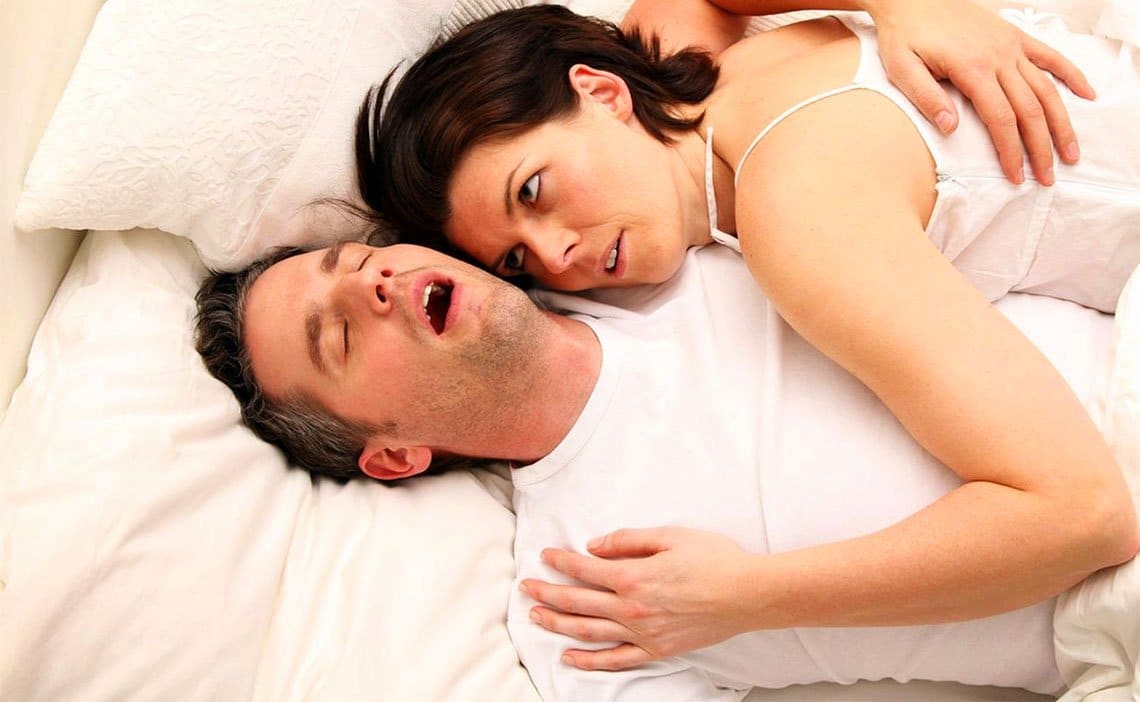
An investigation says it does.
The Journal of Alzheimer's Disease recently published a study that looked at two groups of people:
people with neurodegenerative diseases (Alzheimer's) and those without. What the study showed is that people who slept for more than 2 hours a night on their backs with their faces up were more likely to fall into the Alzheimer's group. Everything was factored into this study. Consider things like age, gender and even whether the people had sleep apnea.
While this is not proof that sleeping on your back can lead to Alzheimer's, it does confirm a recent study among animals with similar results. You may recall that I have written before about the combination of sleep and Alzheimer's and the role sleep plays in this troublesome disease. We see during stages 3 and 4 of sleep that the brain gets rid of APOE, a protein that accumulates in the brain and keeps neurons in a holding pattern.
I wouldn't run to the store right now to buy a new pillow, but if you, or someone close to you, is showing symptoms of Alzheimer's, it is important to look at sleep patterns.

Are connections in the brain slower if you are a night owl, like me for example? New research says: YES
In a recent study published in the journal SLEEP, researchers looked at the brain function of people's resting state and linked it to the cognitive abilities of night owls and early risers. This was what came out of the study:
Volunteers who described themselves as early risers were the least sleepy and had the fastest reaction times in early morning tests and scored significantly better than night owls. Night owls, on the other hand, were less sleepy and scored higher reaction times at 8 p.m. Although not much better than the early birds, it does show that night owls perform less in the morning.
What is interesting is that brain connectivity in the parts that can predict better performance and less sleep was significantly higher in the early risers at all times. Something that may indicate that the resting brain connectivity of night owls is weaker throughout the day.
This is certainly not the best news I had read that day but it does show how your habits play a big role in how you perform on a daily basis.
Is it possible standing in a room with frozen nitrogen can lead to better sleep? The answer: maybe!
You may have seen some of those newfangled health treatments coming along. one of my personal favorites of these is Cryotherapy. In it, you step into a room (actually more like an upright tube) and wear only socks. Then the room fills with super cold nitrogen for the next 3 minutes.
This causes your body to get very cold very quickly!
We all know that ice fights swelling but does this "deep freeze" now help with better sleep? We will know soon.
A brief history of Cryotherapy, as read in Sleep Review:
Cryotherapy was developed in the 1970s by Dr. Toshiro Yamauchi in Japan to treat rheumatoid arthritis. Cryotherapy is used to relieve inflammation, arthritic pain and fibromyalgia-related pain.
According to the summary to be published in Medicine and Science in Sports and Exercise, Issue 51:5, only a single patient - one who had previously reported sleep disorders - experienced improvements in her sleep patterns. The other two patients who had not reported sleep, pain or anxiety disorders saw no changes in their health.
Unfortunately, the size of the test was too small to draw far-reaching conclusions. The researchers are, however, working to gather a larger study group to potentially find a solution for people with sleep disorders.
So what should we do with all this information? My suggestions:

- When sleeping, do not lie on your back.
- If you are a night owl, as I am one myself, there is no need to change your life pattern. Just keep on doing what you are doing.
- Keep cool, check out Cryotherapy and get some rest!