Sleep habits of the world
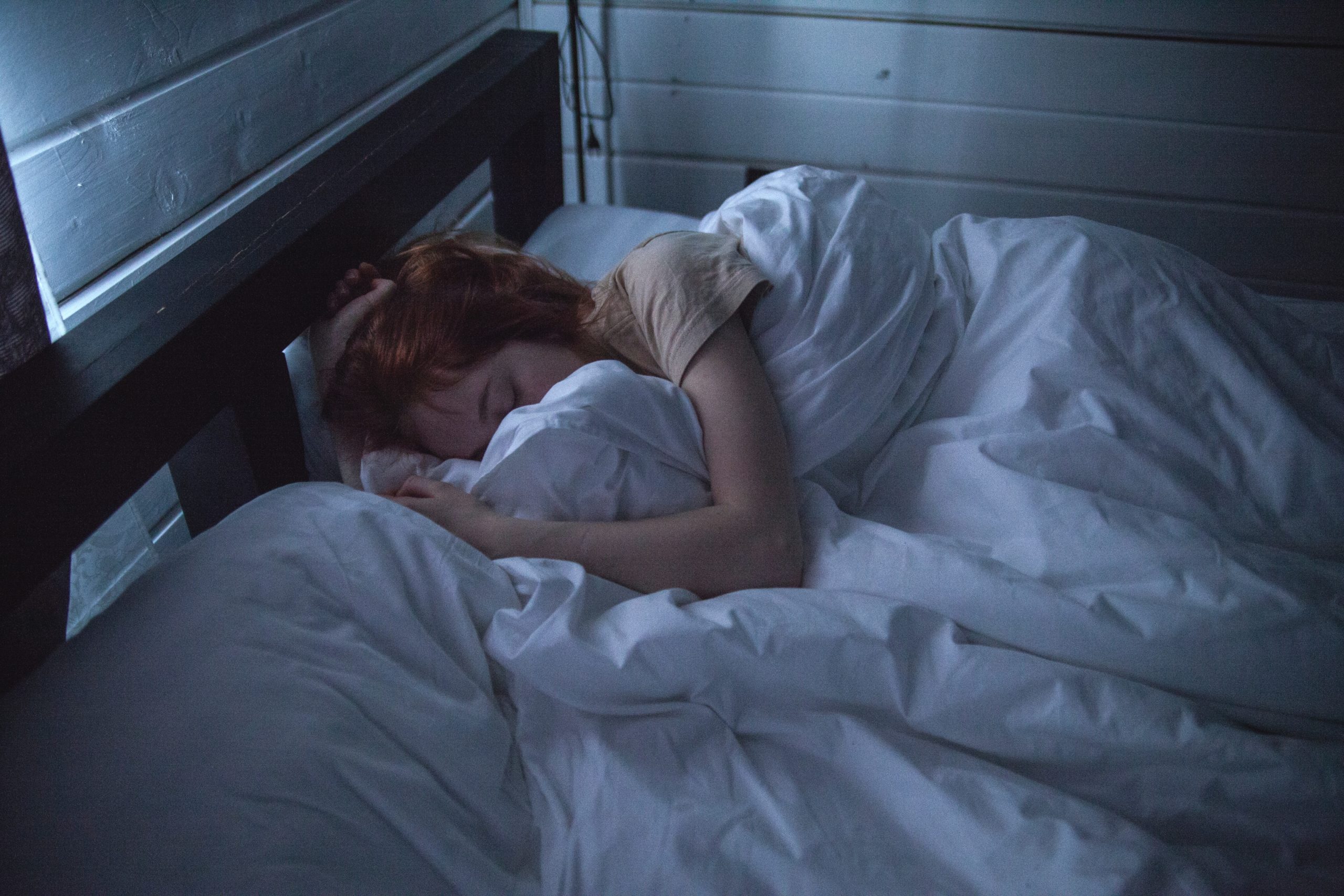
Sleep quality, patterns and length may vary from country to country, but one thing is clear: people are still not getting enough sleep. While some people can function on a few hours, others tend to drink a second cup of coffee instead of grabbing those extra Zzz's.
This chart comes from Raconteur and shows some surprising results from the 2019 Philips Global Sleep Survey, in which more than 11,000 adults from 12 countries participated.
Let's see what exactly affects our sleep habits, also known as sleep hygiene, and what helps people sleep better and longer.
Why sleep is important
About 62% of the world's adults find that they do not sleep well when they go to bed. Losing one or two hours of sleep a night can have the same impact on motor and cognitive functions as living a day or two without sleep.
Experts have long emphasized that developing good sleep habits can help maintain our physical, mental and emotional well-being. Constant sleep deprivation can also lead to serious, long-term health problems such as:
- Cardiovascular disease and heart failure
- Weak immune system
- High blood pressure
- Kidney Disease
- Depression
- Diabetes
- Obesity
Fatigue is a major factor in the approximately 100,000 car accidents each year, resulting in an estimated 1,500 deaths. Lack of sleep deprivation is also associated with a number of disasters, such as plane and boat crashes, and even nuclear reactor meltdowns.
What prevents a better night's sleep?
People can suffer from sleep deprivation for many reasons - below are the six biggest culprits.
1. Worry and stress
Job, family, health, financial and other issues occupy people from all walks of life. Adults living in Canada and Singapore tend to be the most concerned.
2. Environment
The physical space where you sleep plays a major role in the quality and duration of your sleep. Nearly 35% of adults fall asleep somewhere other than in bed. Interestingly, Chinese adults are the least comfortable while sleeping, while Japanese adults are the most comfortable.
3. Work and school schedules
Hectic careers and heavy school workloads have a direct and lasting impact on sleep habits. Many people sacrifice sleep just to get work done, or for social and household tasks.
4. Entertainment
In the age of technology, the natural rhythms of day and night perception have become skewed, especially by the effects of blue light emitted by our screens.
5. Disruptors
Eating food, or drinking alcohol or caffeine in the last few hours before bedtime can prevent our brains from knowing it is time to cool down and get ready for sleep. Adults living in developed countries such as China, Canada, the United States and Singapore drink the most caffeine.
6. Health
More than three-quarters of adults experience at least one health problem that affects sleep. These include insomnia, sleep apnea - which affects roughly 22 million people in the U.S. alone - snoring, restless leg syndrome (RLS), narcolepsy, and chronic pain.


Developing good sleep habits

Sleep is often the first thing neglected with our hectic schedules. Here are a few ways to learn better habits for a good night's sleep.
Routine
Wake up and go to bed at the same time every day - even on weekends - to create a more ingrained rhythm for your body clock and better prepare your brain for sleep.
Exercise
Choose a time of day that suits your schedule and energy level, and make sure you stick to it. Exercise helps balance melatonin and cortisol levels during the day.
Light
Go outside often during the day and spend less time outside at night. Do not sit in front of a screen for 30-60 minutes before you go to sleep.
Food and drink
Avoid large meals, alcohol or caffeine in the last few hours before you go to sleep. Caffeine effects can last up to 8 hours, breaking the natural sleep rhythm.
Meditation
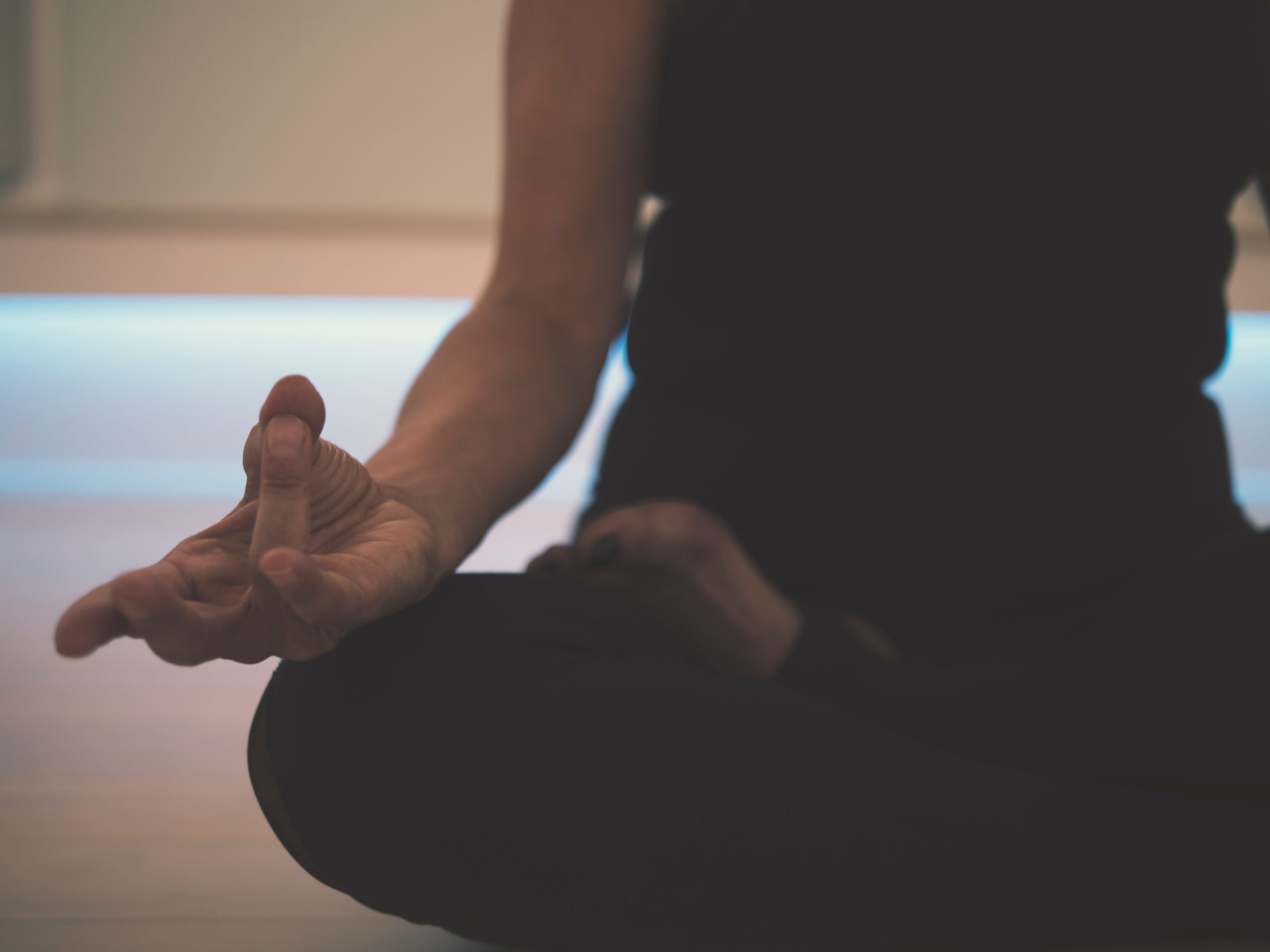
Recent studies have shown that mind-body treatments for insomnia such as yoga, tai chi and meditation had a positive impact on improving sleep quality.
Comfort
Set the bed for success - keep your room cool and dark, buy a quality mattress, comfortable bedding and use a white noise machine to help you fall asleep.
Sleep is one of the most important aspects of our health, but also one of the easiest to neglect. Make sure you don't build up a sleep deficit and enjoy the wonderful land of dreams.