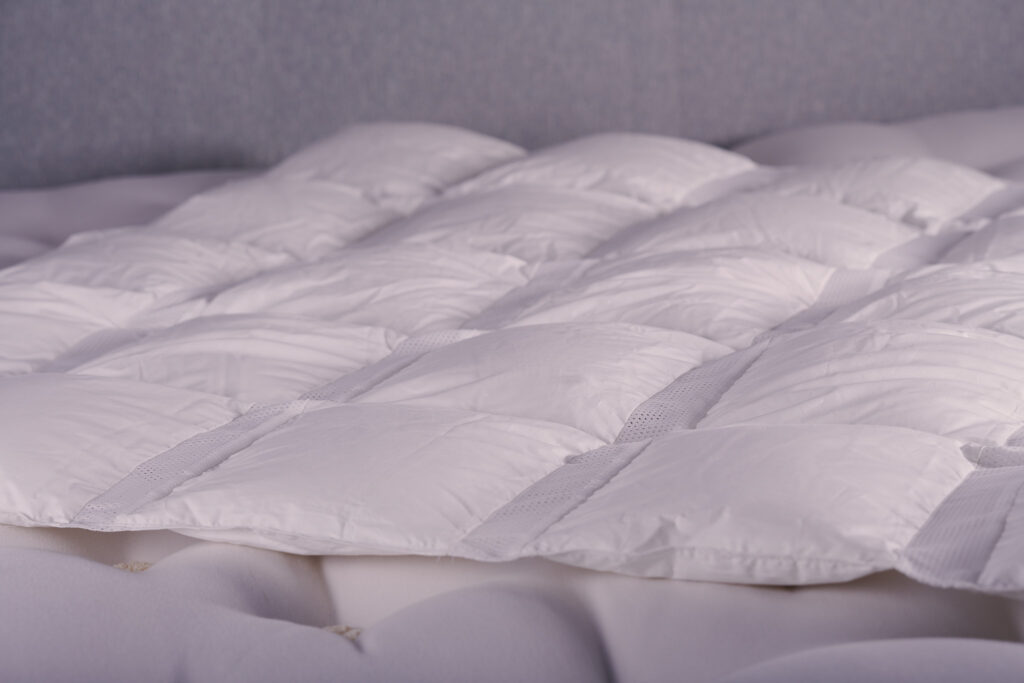
Bedroom temperature
Sleep facts - The temperature of bedroom and bed.
In the bedroom, the temperature should not be too high. The best values vary in the literature, but the broad line is still that a temperature between 16 and 18 degrees Celsius is recommended.
At higher temperatures, it is more difficult to dissipate body heat, and the drop in temperature that is so necessary for sleep cannot take place properly. Cooling mainly occurs via the head and face, but to a lesser extent also via the hands and feet.
In doing so, it has been shown that a cool head can significantly promote nighttime sleep and has a positive effect on objectively measured deep sleep. So keeping your head cool is recommended not only during the day, but equally so at night, and cooling pillows are already on the market!
In contrast, hands and feet should be warm immediately before bedtime, as this helps cool the body. The warmth causes the blood vessels to dilate and allows body heat to dissipate more easily; this can also promote falling asleep.
A heat wave occurred in the summer of 2004; slowly but surely the nighttime temperature in the bedroom rose to about 26 degrees. Many people had difficulty falling asleep, which was clearly due to the much too high temperature in the bedroom.
Low temperature
On the other hand, the temperature should not be too low; below 12 degrees, problems start to occur: either one cools down in bed further than desired, or the comforter becomes so heavy that it becomes uncomfortable. In either case, the quality of sleep decreases. In the old days when bedrooms were much colder, a sleeping cap was worn to prevent cooling through the head.
If the temperature in the bedroom is already important, the temperature in the bed, under the blankets, is if possible even more important. The temperature in this microclimate of the bed should be in the thermoneutral zone of 27 to 29 degrees Celsius (the thermoneutral temperature is that air temperature at which skin temperature does not rise or fall).
Sweating
If the temperature rises above this range, the body cools down by sweating, but if the temperature falls below it, the body produces heat by shivering. If it is too warm under the blankets, body heat cannot escape properly; if the temperature falls too far below the thermoneutral zone, the body needs too much energy to maintain the optimal body temperature. This requires the right balance of room temperature, blankets, and nightwear.
The bed partner also plays a role in this tuning, because the partner not only acts as a heater, but also because he or she can disturb the fragile temperature balance by agitation. On top of that, there are the first indications that the sexes have their own temperature preferences. Women seem to prefer it a little warmer and men a little cooler.
(source: A.M.L. Coenen, Medical Anthropology 18 (1) 2006)